ORAL STEROIDS
Are Steroids Hormones
02
Mar
Mar
Are Steroids Hormones?
In the world of biochemistry, the relationship between steroids and hormones is a common topic of discussion. So, are steroids hormones? The answer is yes, but let’s delve deeper into what this means.
Understanding Steroids
Steroids are a class of organic compounds that share a characteristic structure of four fused carbon rings. They can be categorized into two main types: anabolic steroids and corticosteroids. Anabolic steroids are often associated with muscle building and performance enhancement, while corticosteroids are involved in regulating various physiological processes.
Steroids as Hormones
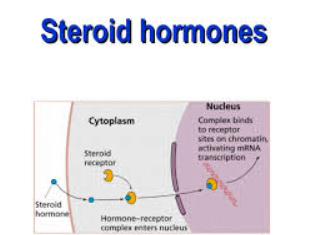
Many steroids function as hormones in the body. Hormones are chemical messengers that travel through the bloodstream to regulate various functions, including metabolism, growth, and immune response. For instance, testosterone and estrogen are both steroid hormones that play crucial roles in sexual development and reproductive functions.
The Role of Steroid Hormones
Steroid hormones are produced by glands such as the adrenal glands and gonads. They influence numerous bodily functions, including:
Metabolism: Regulating how the body uses nutrients.
Growth: Stimulating tissue and muscle development.
Immune Response: Modulating inflammation and immune function.
Are All Steroids Hormones?
While all steroid hormones are steroids, not all steroids are hormones. Some steroids, like cholesterol, serve structural roles in cell membranes but do not function as hormones.
Conclusion
In summary, steroids are indeed hormones when they act as chemical messengers in the body, influencing various physiological processes. Understanding the distinction and relationship between steroids and hormones is essential for anyone interested in health, fitness, or biochemistry. If you have more questions about steroids or their functions, explore our other informative blog posts!
